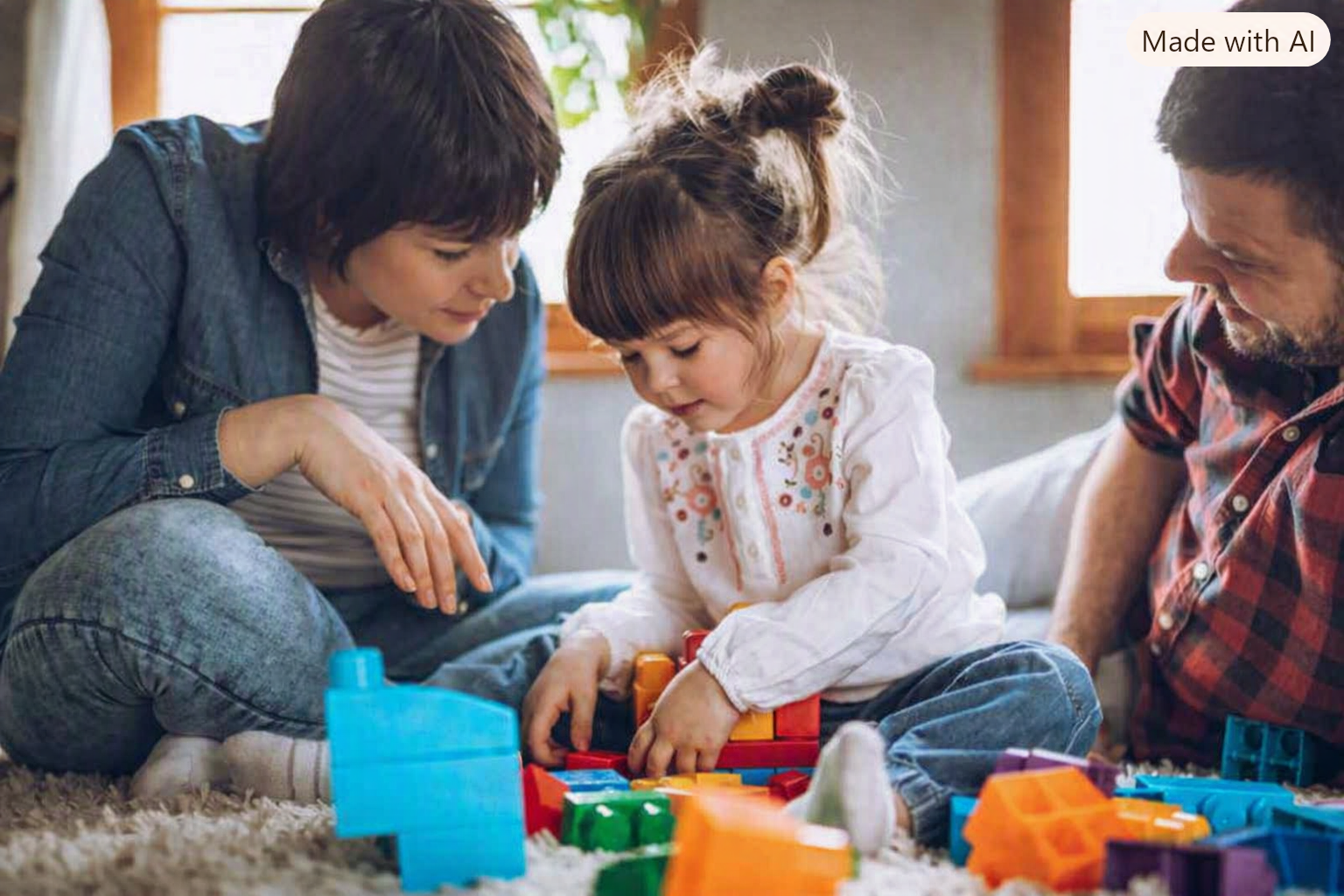
9 Types Of Attachment Play
I find Attachment Play such a beautiful and powerful way to bring more connection, ease, and joy into daily life with our children.
Attachment Play is a key aspect of Aware Parenting, created by Aletha Solter.
Not only do children learn about the world through play and enjoy themselves while doing it, but play also nurtures and deepens the bond between parent and child. It creates meaningful connection and emotional safety.
Play can also meet a child in a very gentle way when they begin to shift a little out of connection, with themselves, or with us. Offering caring, attuned play in those moments brings warmth, acceptance, and a sense of being lovingly met.
We’ll explore how these nine types of Attachment Play not only foster deep connection and fun, but also transform daily interactions with our children and serve as a natural way for them to process and heal.
A warm, playful, connecting workshop for parents and caregivers
What we explore in this workshop
In this 3‑hour online workshop, we explore the nine types of Attachment Play, and how each one supports emotional well‑being in its own unique way.
You’ll learn:
The 9 types of Attachment Play - what they are, how they work, and when each type is most helpful
Practical ways to bring Attachment Play into everyday interactions
How play supports emotional release and connection
How to recognise which type of play your child is asking for
How to include your own feelings and inner parts in play
You’ll also experience playful interactions yourself - because experiencing it for yourself makes it much easier to offer it to your child.
There is space for questions, reflection, and sharing what moves in you.
The 9 forms of Attachment Play
Non‑directive, child‑centered play
Separation games
Power‑reversal play
Nonsense play
Body play
Contingency play
Cooperative play
Symbolic play
Regression play
Would you like to learn which type is most helpful in which moment? Which type brings laughter? Which type helps with fear, frustration, or tension? Which type supports your child in processing experiences?
Whether you're a parent, caregiver, or educator, this workshop offers insights and tools to deepen connection, bring more joy and ease into interactions with children, and cultivate more flow, fun, and spacious connection in your daily life with your child.

Why this workshop might be for you
This workshop is for you if you:
long for more connection with your child
want more ease, flow, and joy in daily interactions
feel unsure how to play or find play difficult
want to support your child’s emotional world
are curious about Aware Parenting
want to reconnect with your own playful, alive parts
You don’t need any experience - just an interest and curiosity, and a yes to joining!
Why I offer this
I am deeply passionate about this work, and I would love to share it with you.
When I began feeling more confident with play, so much shifted in my parenting. Attachment Play has supported me and my son countless times - in moments that could have led to frustration, disconnection, conflict, or power‑over from my side, or even giving up completely. It has brought us connection, a giggle or laughter, closeness, emotional release, and a deep sense of “I see you, and we’re in this together.”
But I also know that play doesn’t come easily for many parents. If this resonates with you, my heart goes out to you. You are not alone. And I would love to support you.
I want to inspire you, to help you reconnect with your playful self - and also with the parts within you that find play difficult, offering them listening, gentleness, and encouragement.
You do have this.
I love supporting you in connecting with your child through play, and in including yourself - your own feelings, your own inner world - within play. Play can be incredibly inclusive, accepting, nourishing, refreshing, and healing, not only for your child but also for you.
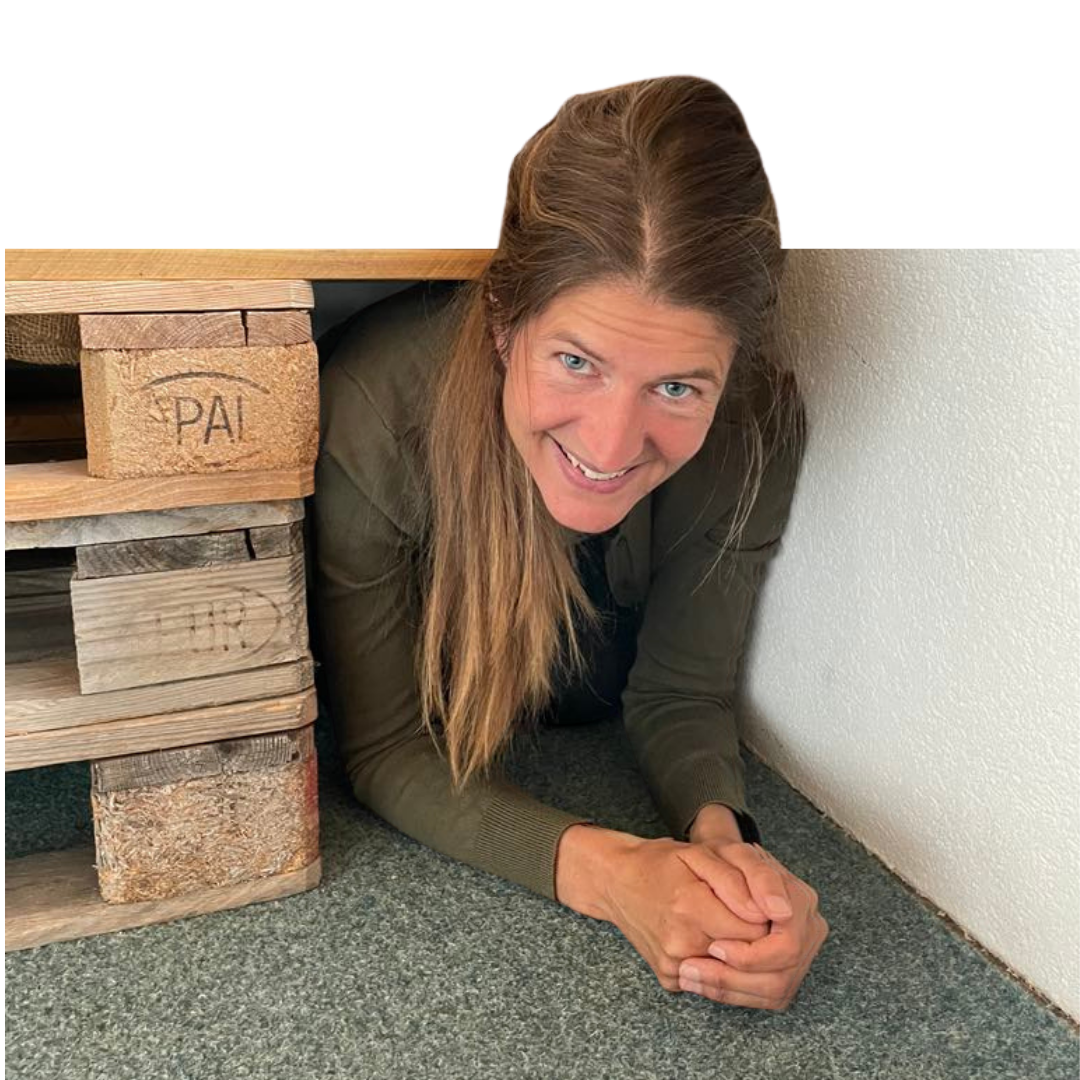
A gentle side note
Our children still need to feel our presence, even as they grow. And honestly, I feel grateful they do. Because even when I feel resistance at first, when I make space for connection - even in a small moment, like truly seeing my son - I soften. And I always leave the moment feeling more loving toward him.
The resistance is rarely about him. It’s usually my own discomfort in being asked to become present. And when I truly don’t have it in me to give, I say that too - and I try to meet it with compassion, for both of us.
-
You can join this workshop when I am offering it again. Would you love to be informed when I know the dates for the next round? You are so welcome to sign up for my email list, and I will send out an email when I offer it again.
-
I don`t know yet.
-
Yes, you can. You are very welcome to purchase this program as a gift for someone dear to you. If you would like to offer this to someone, you are warmly invited to reach out to me.
I’m happy to help you arrange it in a way that is personal and supportive.